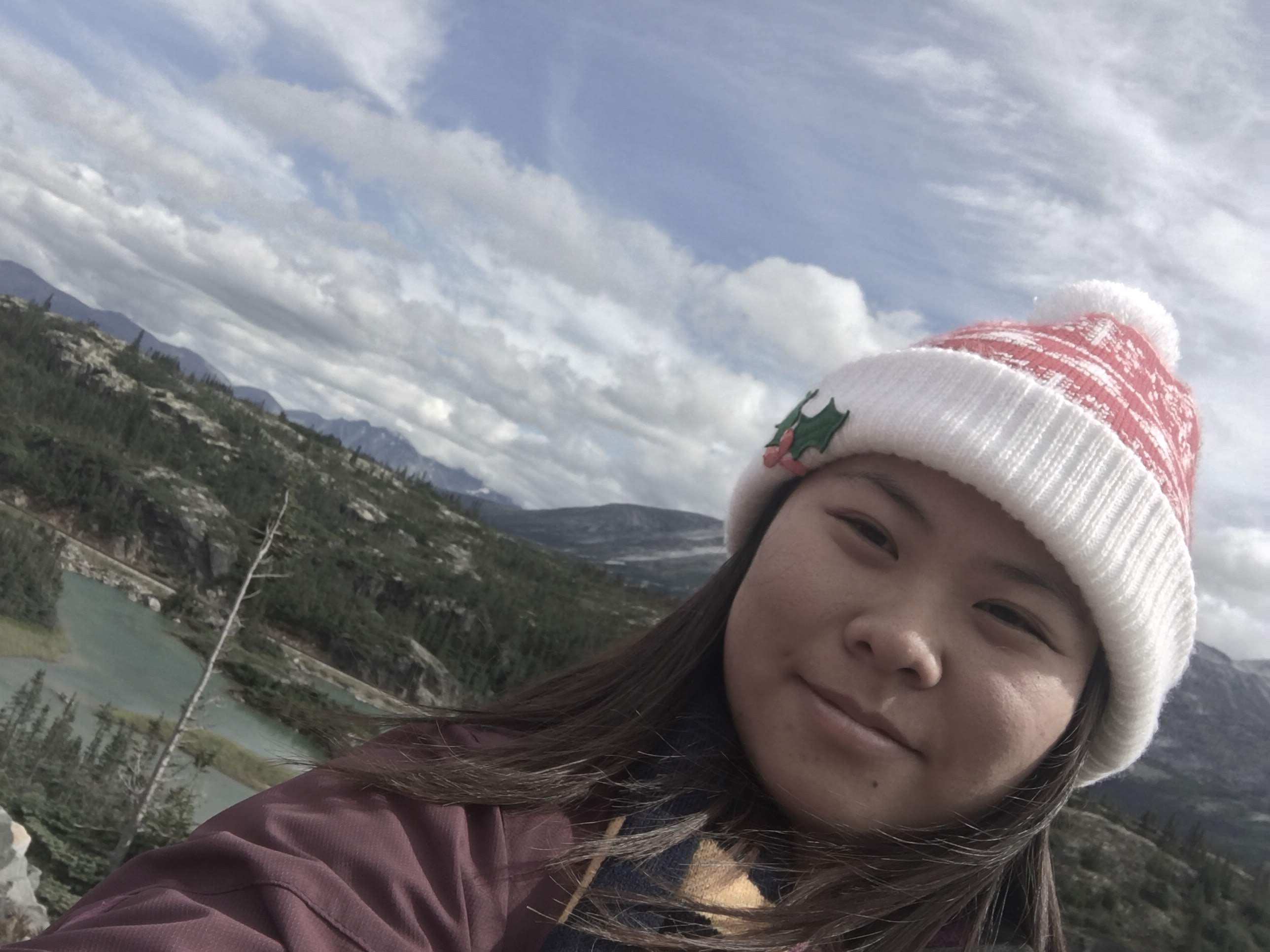
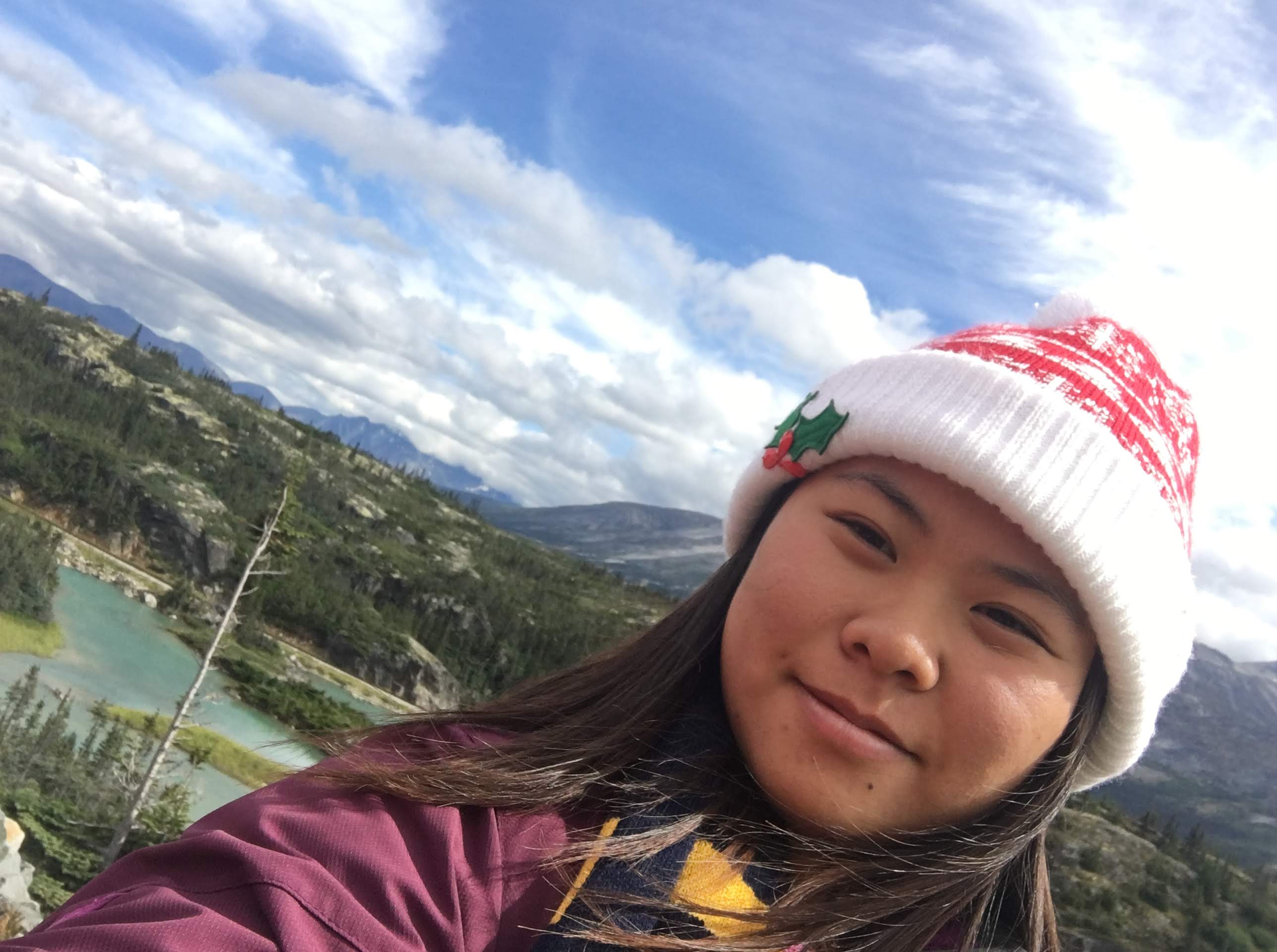
“We see the world, not as it is, but as we are──or, as we are conditioned to see it”
Many things shape who we are, what we believe, how we act. From birth we observe. As an infant, the feelings we have are just our feelings. It is as we grow that those feelings give meaning to words. That feeling when you are happy is now happiness. That pain you feel is now sadness. As we live and learn and grow, it is our experiences that define the language we use.
Kenneth Burke coined the term Terministic Screen to encapsulate such language . Published writer Mike Allens defines it as such:
“Terministic screens consist of the words we use to represent reality, and as selections from among many conceptual vocabularies, they can lead to different conclusions as to what reality actually is.”
As we experience life and give meanings to words, we construct the “screen” which we use to define the world.
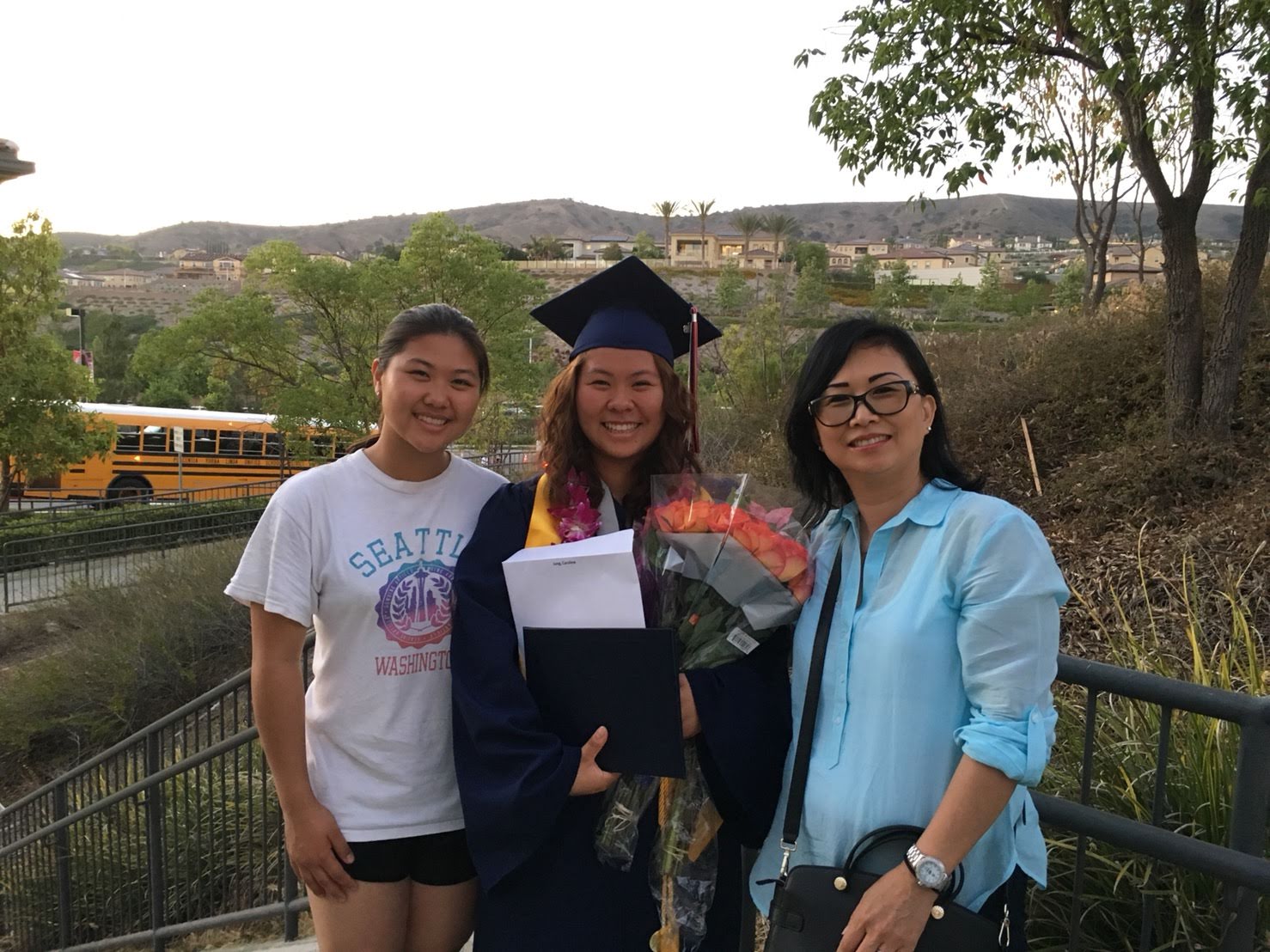
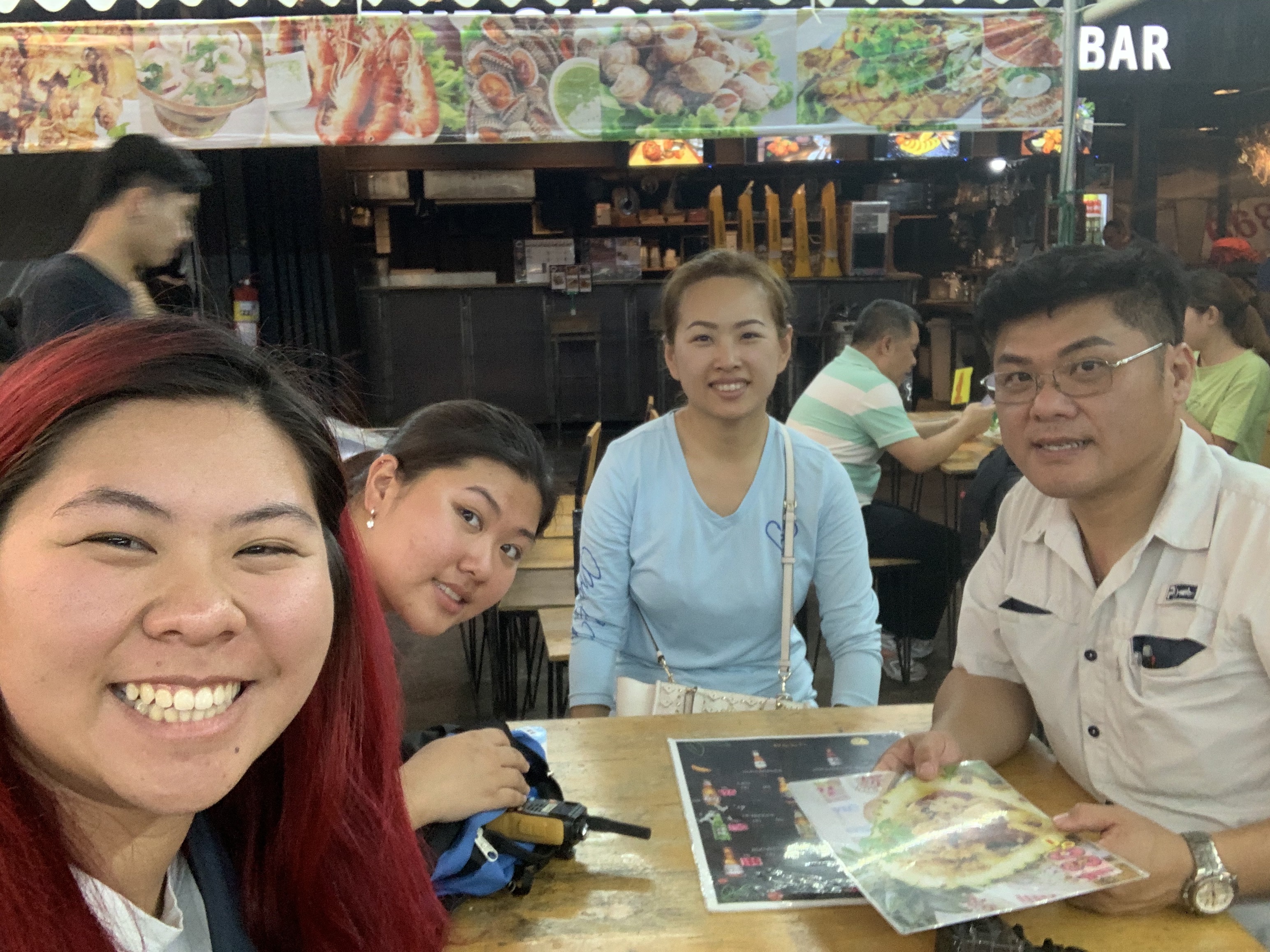
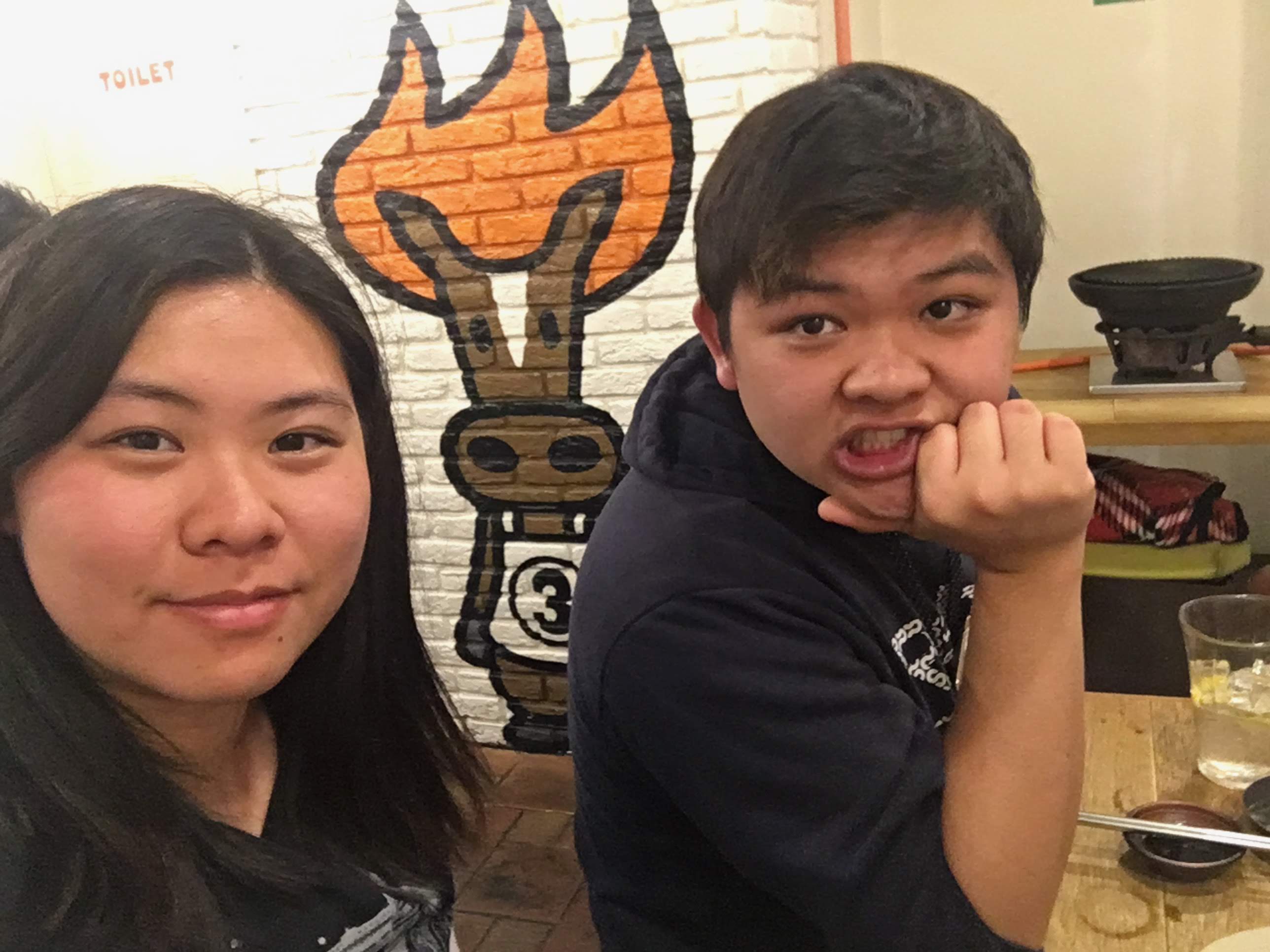
One word in my terministic screen is family. I choose the word family because for me family encapsulates so much.
I have always had a large family. My paternal grandmother was one of 9, and she had 5 children. My entire life, I have been surrounded constantly. My father is the only son in the family. My father showed me that family is the strongest bond in life. Whenever my aunties had a problem, my father was there to help. My father always told me no matter what happened between my siblings or cousins that we would always be family. I was raised to do anything for family. As result, my family means everything to me.
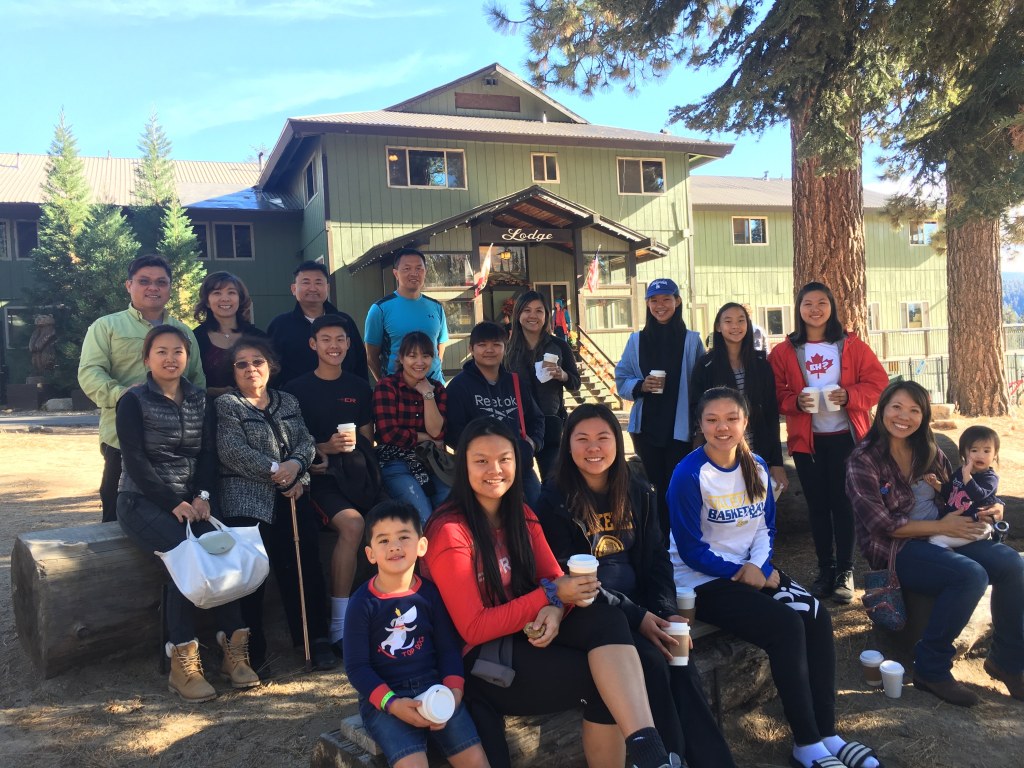
My maternal grandmother also came from a family of many children. When my grandmother fell ill, family members that I had never met before gathered to see her. My family has an unofficial motto:
“我們一家人”
This phrase translated means to we are one family. My grandfather explained its meaning to me as family is family no matter how strained the relationship. In times of need, family is who I turn to for help.
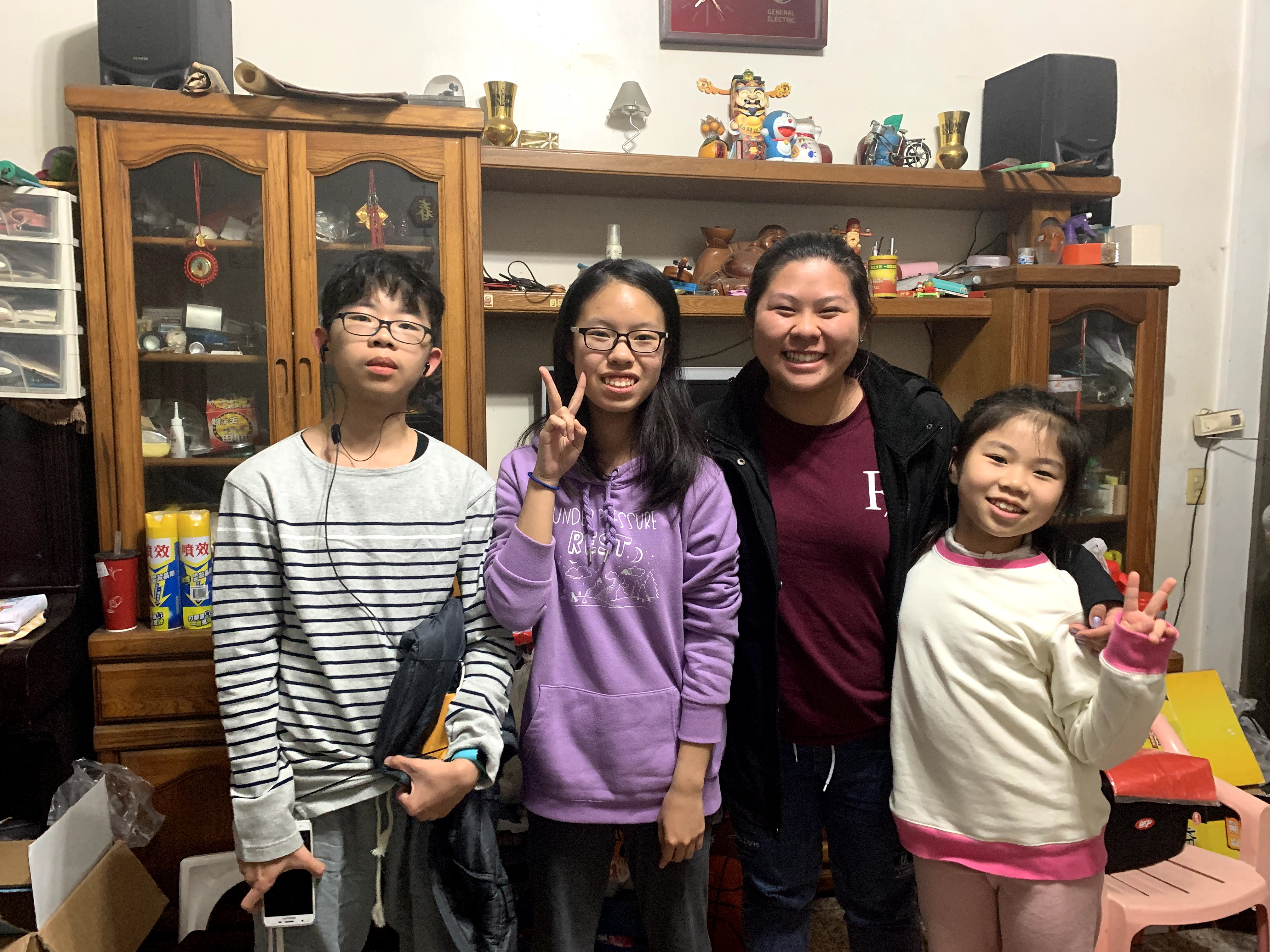
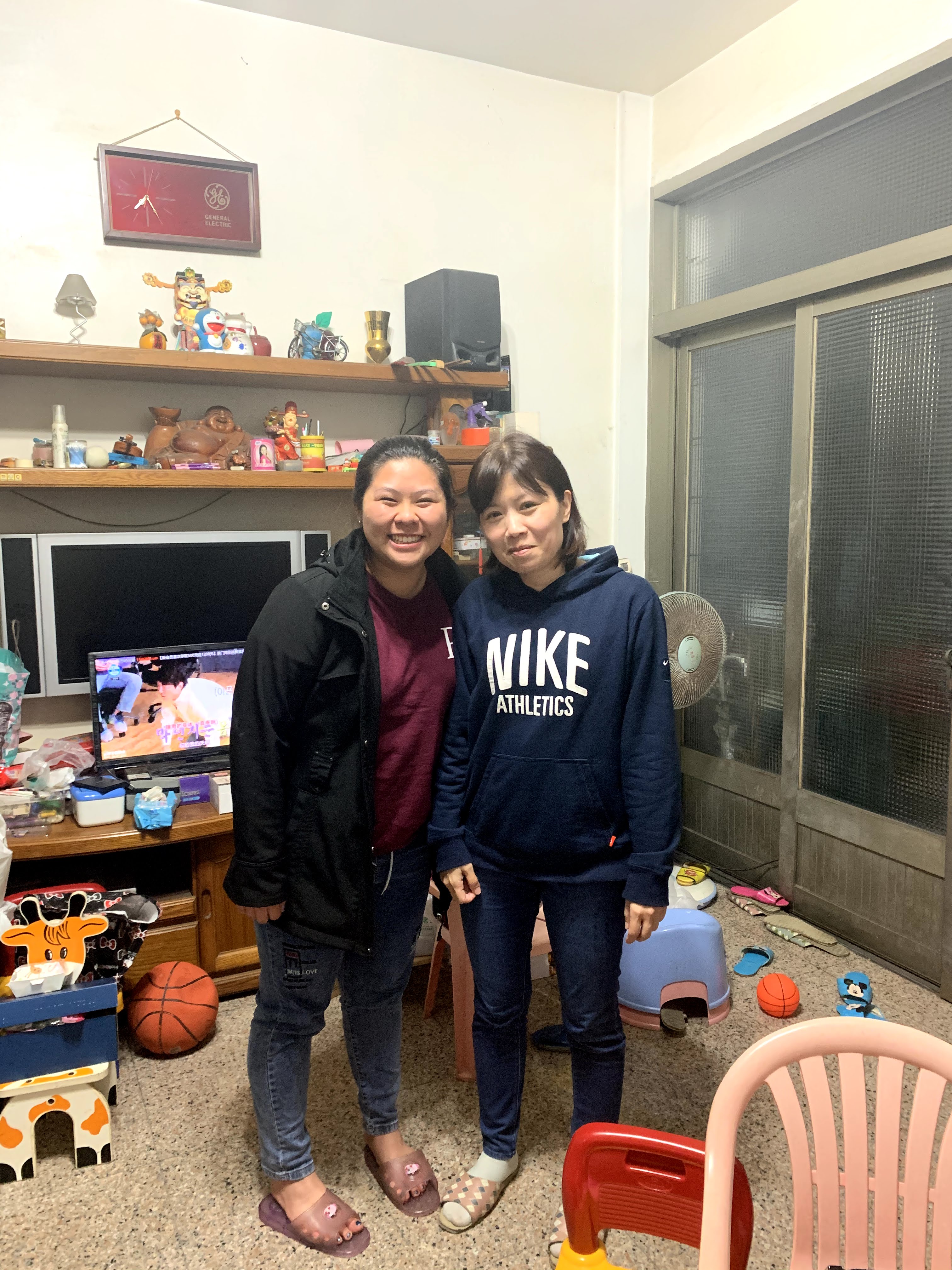
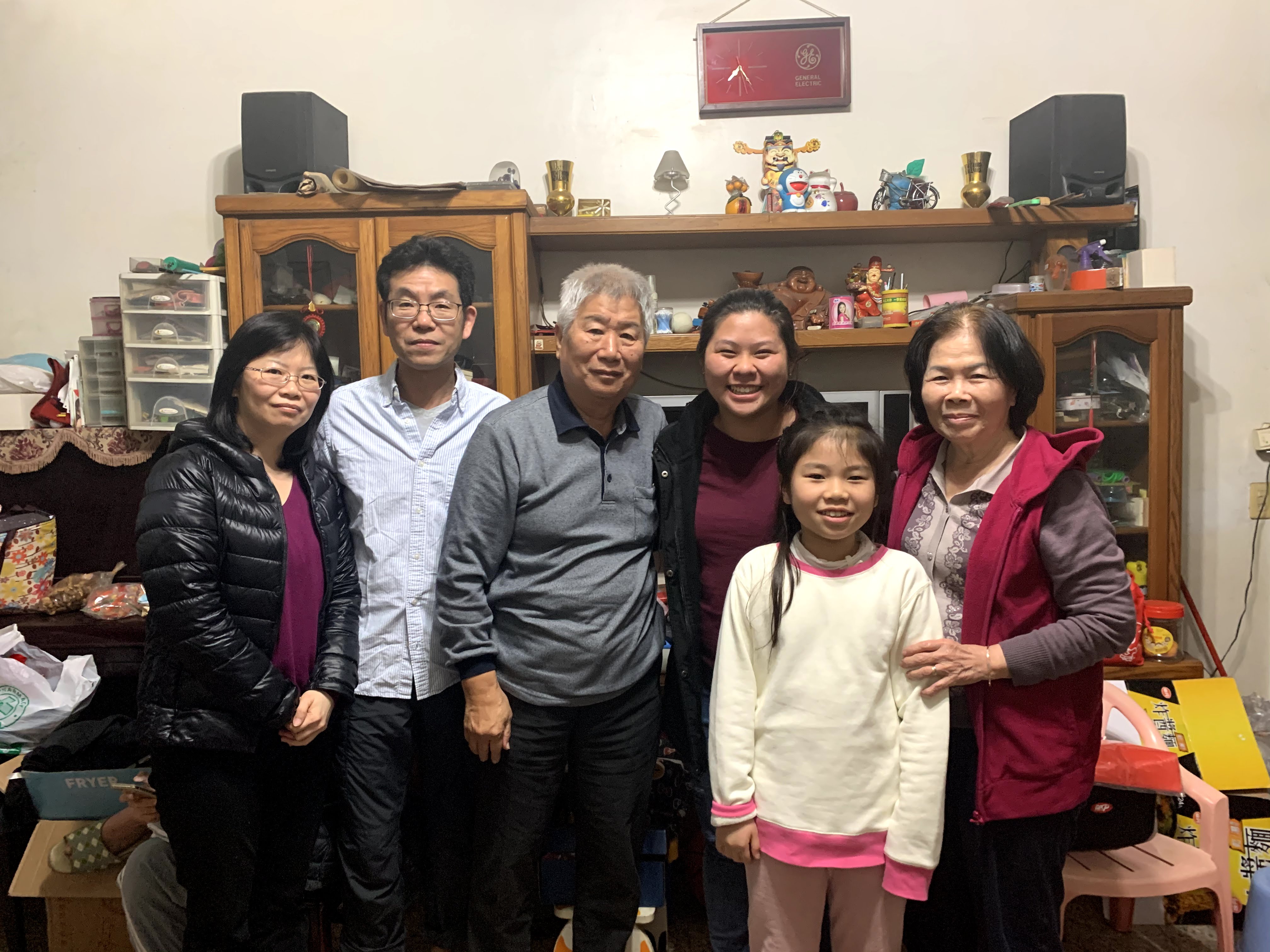
Coming from two loving families, I have always seen the world with family as my priority. When I observe the world I analyze with the thought of family in mind.
Another word in my terministic screen is Taiwanese.
Between me and my siblings, I was the only one born in Taiwan.I am an American citizen, but I was born out of the country. This fact crushed my dream of becoming the first female president. Growing up asian in predominantly white area taught me to value Taiwanese culture. Many people are unaware that Taiwan is not China. Between the two countries, there is a divide and each consider the other separate. From birth I was taught Mandarin. Going to school, I learned English in terms of Mandarin. Apple was 蘋果. Dog was 狗. This fact made me different from my peers.
Then more began to be different. The food I ate, the way I pronounced words, the games I played — everything was so different from the other kids. As a young child, I did not understand why.
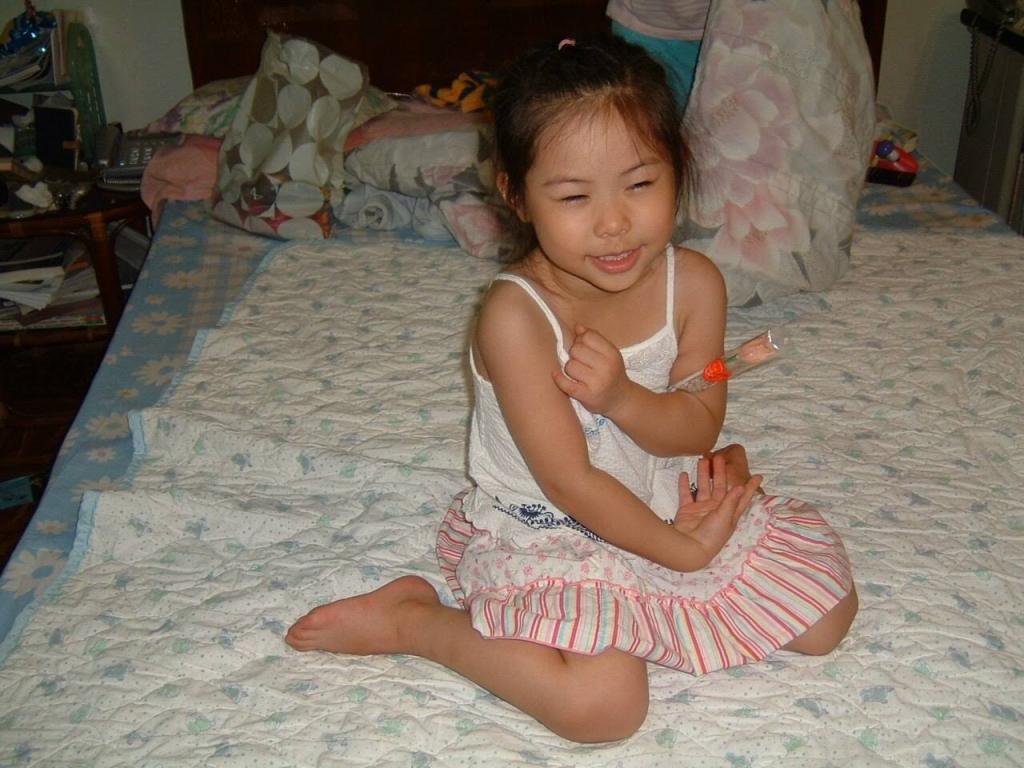
Looking back now, I see that being Taiwanese changed the way I interacted with my peers. Being Taiwanese made me stronger when I got picked on for having “weird” food and staying things funny. I used to get so frustrated as a child that I tried to change the way I spoke and the snacks I ate. I remember trying to convince other kids that I ate meatloaf for dinner all the time thinking that it would make me appear as a normal American child.
As I got older, I realized that being Taiwanese is special. Being able to speak a second language was useful. Now, boba is popular and Taiwanese street food is delicious.
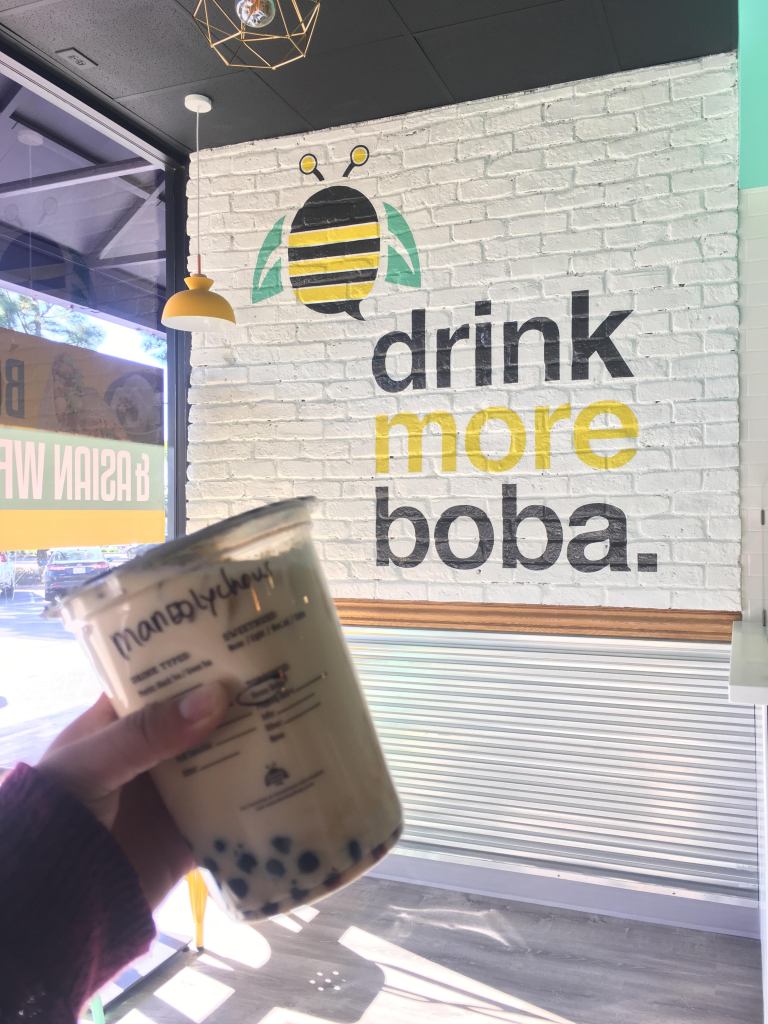
Being Taiwanese has shaped me. As I try to “represent reality” with language, I find myself crossing between languages and cultures.
 Beyond My Door