Final Words

When I first started writing on this blog, I feared expressing my opinions. I feared that the work I produced would be bad. Mainly I feared how this course was going to change me. But at the same time, a tiny part of me was curious to see how I would change over the semester. I wondered how I much of myself I did not yet know.

Writing used to be just a task I was forced to accomplish for school. I dreaded my first blog post. Now, I feel somewhat relaxed expressing myself. In just a few months, I have a newfound confidence. This course has opened a door for me. I don’t dread sharing my life. I don’t dread writing. 
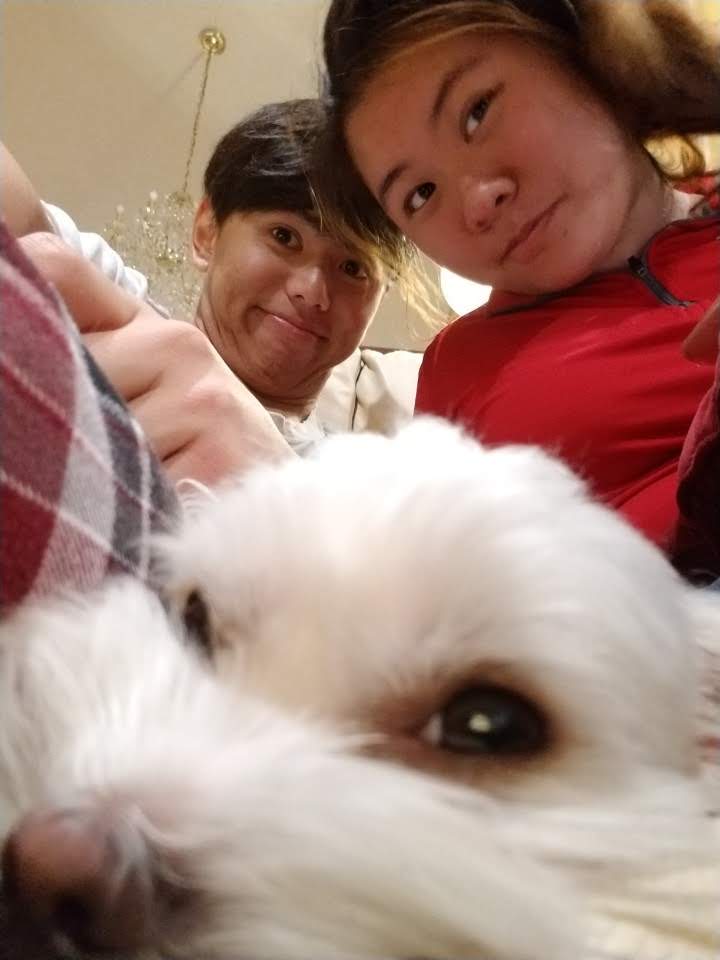
See you next time!

 Over these couple of months, I have expanded my view greatly. Prior to this course, the concept of travel was just seeing places. I had no idea how interconnected society and travel are. When I registered for this course, I assumed the course was just to describe my experiences and describe the places I have been. I am much more aware of how travel is impacted by many aspects of society. Understanding travel through each critical lens has helped me to develop into a more critical thinker. 

Rhetoric encompasses so much more than I once believed. Rhetoric to me is the art of manipulating texts to effectively communicate an idea or opinion through the use of rhetorical tools. This definition wasn’t very clear to me. It was after learning to think critically and apply various methods that I was able to agree on this definition. My idea of rhetoric prior to this course was simply the idea of writing. Understanding how all aspects of life come together to impact our understanding of language, is something I will never cease to fully understand. Rhetoric exists beyond an essay. This course has helped me to understand even our everyday rhetoric.

The most challenging aspect of this course was incorporating my own opinions and voice into my work. This class is unconventional. It is relaxed while still pushing for writers to produce great work that represents them. Before this course, most of the papers I ever wrote were fairly straightforward and fact depended. Especially in the field of science, emotions are highly discouraged. Thus, when I first started to express my opinions, I did not know how to effectively write to encapsulate my opinions and voice. I tried extremely hard to  weave  in my voice while still analyzing deeply. I still find it very difficult to express my own voice through my words. Blogs are much less formal research papers and offer so many opportunities to express my own thoughts. What really helped me to express myself was to essentially “word vomit” my opinions and thoughts then organize the analysis with my ideas. Editing and revising was where I learned the most!

Reading, writing, and thinking rhetorically is so important in today’s world because everything we see, hear, and experience is  intentional and purposeful. We encounter so much information every day. Unintentionally, information slips right by and is easily ignored or easily accepted. Learning to analyze beyond surface level exposes a great amount of information one would not notice without extra thought. I believe that thinking rhetorically and critically broadens understanding. Just considering the deeper purpose or meaning of day to day activities can help to understand life from all perspectives. As I finish this course, I will  forever carry this new “vision” with me. This course made me a better writer, better student, better person.

Thank you for sticking around!

Caroline Jung
So Here I Am.. Final Draft

It’s getting serious now….

For most of my life, I was a homebody. Unadventurous. Boring. Stagnant. Being comfortable on my couch, I enjoyed looking out and observing the world from the safety of my home.

On my couch, I felt comfortable at home staring out the window fearing the unknown. It was the fear of new experiences. Stepping beyond the comforts of my home meant the small chance of encountering something new. What if what I see changes my life, changes my goals and changes my perspective? What if I see and experience changes all I know, changes me?

“The oldest and strongest emotion of mankind is fear, and the oldest and strongest kind of fear is fear of the unknown”

H.P. Lovecraft

Of course, this was an irrational fear. People change. The world changes. I will change. This wasn’t new news to me but I hated change. I enjoyed being comfortable and knowing exactly what I’ll think today and tomorrow and always.

BUT DANG DO I LOVE TO SEE THE WORLD.

The moment I opened up to the adventures beyond my door, I became addicted to seeing the world. The culture, the people, the food — every aspect of travel intrigued me.

Thailand, Taiwan, Denmark– each so rich in culture. I am so grateful that in my life I am able to travel and see the world. I want to share my experiences to those who will listen. I hope it can be accomplished through my writing.

In the next couple of months, I hope to learn more about the interconnectivity of travel and different aspects of society. While learning more about all aspects of travel, I hope to also work on my ability to write. I hope to improve my writing skills and diminish the fear of sharing my opinions and works. Throughout this course, I also hope that by exploring the impact on travel, I wonder if the experiences of my adventures will evolve.

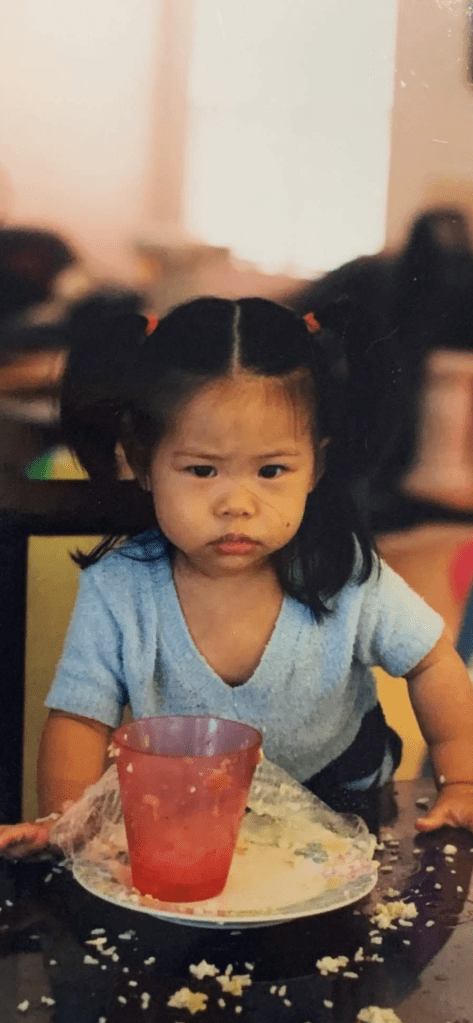
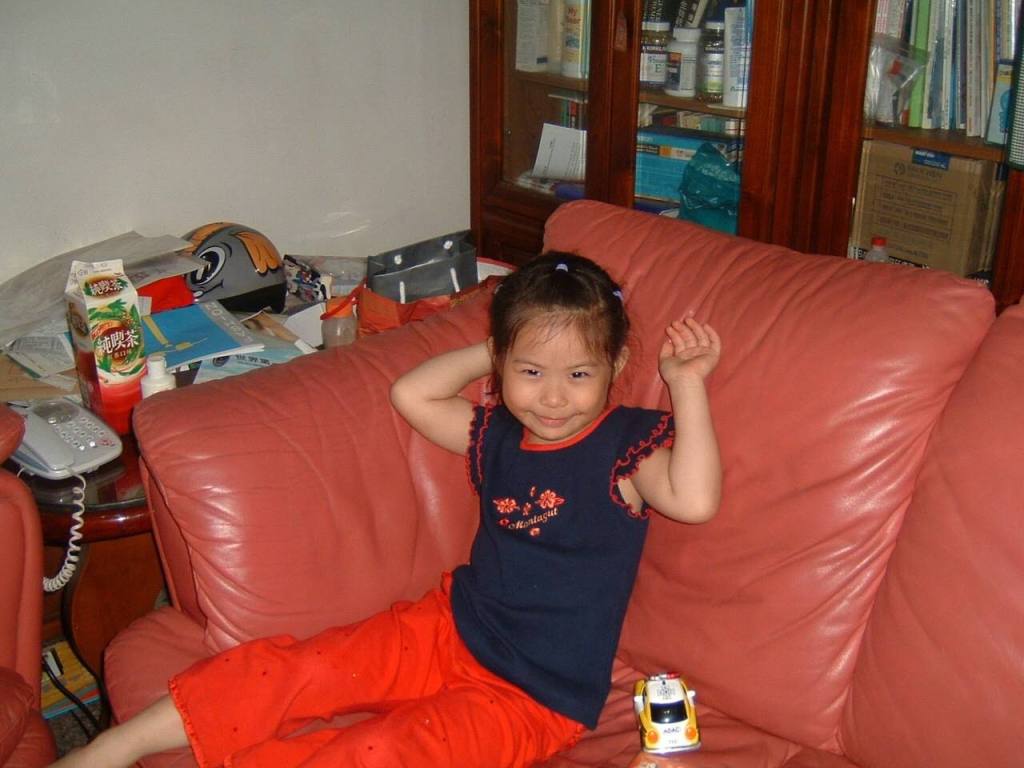
Over last decade, I have determined the major reason of my lack of confidence. I think growing up with English as my second language made me feel like I was constantly behind my peers. I was born In Taiwan and shorty after my birth, I was brought to the United States. Despite growing up in the United States, my exposure to English was extremely limited. Going to preschool I faced difficulty communicating with other kids. I spoke Chinese at home and knew no English. Going through elementary school, learning English was so difficult that I feared writing. I didn’t trust my skills and never thought my English was adequate enough to write something good. Even making it through high school, I still doubt my abilities. My goal for the near future is to become more comfortable with writing and sharing my thoughts through words.

As you follow my adventure through this course, I hope you may learn from my experiences and opinions. I am excited to communicate what I learn and improve my writing as well.

Looking Out Terministic Screens- Final draft

“We see the world, not as it is, but as we are──or, as we are conditioned to see it”

Stephen R Covey

Many aspects of life shape who we are, what we believe, and how we act. From birth we learn to observe. As an infant, the feelings we have are just our feelings. As grow up and live life, it is our experiences that give meaning to words. That feeling when you are happy is now happiness. That pain you feel is now sadness. As we live and learn and grow, it is our experiences that define the language we use.

Kenneth Burke coined the term Terministic Screen to encapsulate such language. Published writer Mike Allens defines it as such:

“Terministic screens consist of the words we use to represent reality, and as selections from among many conceptual vocabularies, they can lead to different conclusions as to what reality actually is.”

As we experience life, it is our experiences and memories that give meaning to the language we use and how we understand the world. For me, the biggest influences of my life and identity are my family and my Taiwanese heritage.

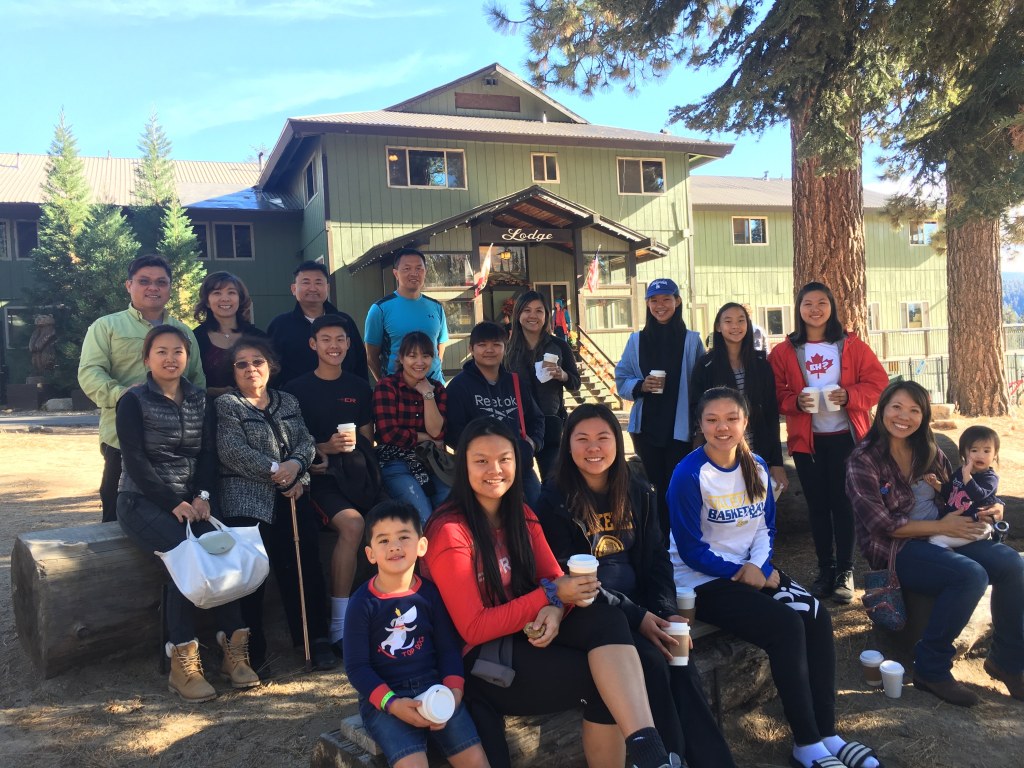
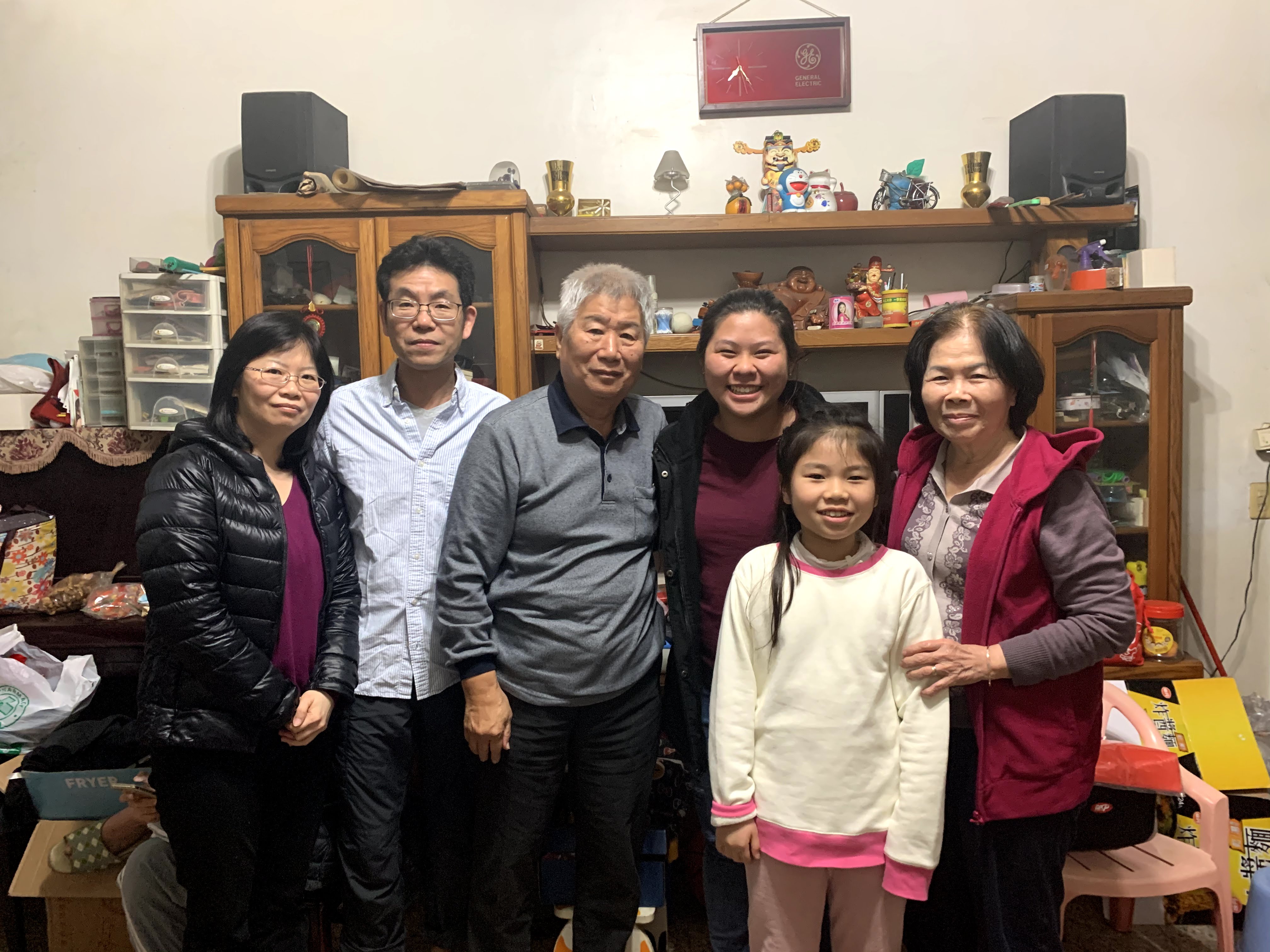
Family is the biggest influence in my life. Of all the people significant to me, my family members are the only people I’ve really known all my life. Every vacation, every celebration, every breakdown, my family has always been by my side. The word family encapsulates so much of my life. The way I understand “family” is shaped by the experiences I have shared with my own family.

I grew up having a very large family. My paternal grandmother was one of 9, and she had 5 children. My entire life, I have been surrounded constantly. My father is the only son in the family. My father showed me that family is the strongest bond in life. Whenever my aunties had a problem, my father was there to help. My father always told me no matter what happened between my siblings or cousins that we would always be family. I was raised to do anything for family. As result, my family means everything to me.

On my mother’s side, I also had a huge family. My maternal grandmother also came from a large family of many tight knit siblings and cousins. When my grandmother fell ill, family members that I had never met before gathered to see her. My family has an unofficial motto:

“我們一家人”

This phrase translates to “we are one family.” My grandfather explained its meaning to me as family is family no matter how strained the relationship. In times of need, family is who you turn to for help.

Coming from two loving families, I have always seen the world with family as my priority. When I observe the world I analyze with the thought of family in mind. Everything I understand about the world and relationships, I discovered with my family at my side.

The second term that impacts my life the greatest is Taiwanese.

Coming from two immigrant parents and being Taiwanese from birth, I hold the Taiwanese culture and identity very close to me. Growing up in America and experiencing Taiwanese culture at home really shaped my understanding of being Taiwanese. Surrounded by the American culture, I formulated my version and definition of being Taiwanese.

Between me and my siblings, I was the only one born in Taiwan. I am an American citizen, but I was born out of the country. This fact crushed my dream of becoming the first female president. Growing up asian in predominantly white area taught me to value Taiwanese culture. Many people are unaware that Taiwan is not China. Between the two countries, there is a divide and each consider the other separate. I grew up in a social environment different from the culture I came from.

From birth I was taught Mandarin. Going to school, I learned English in terms of Mandarin. Apple was 蘋果. Dog was . This fact made me different from my peers. However, the differences between me and my peers didn’t stop at language.

The food I ate, the way I pronounced words, the games I played — everything was different from the other kids. As a young child, I was picked on and I did not understand why.

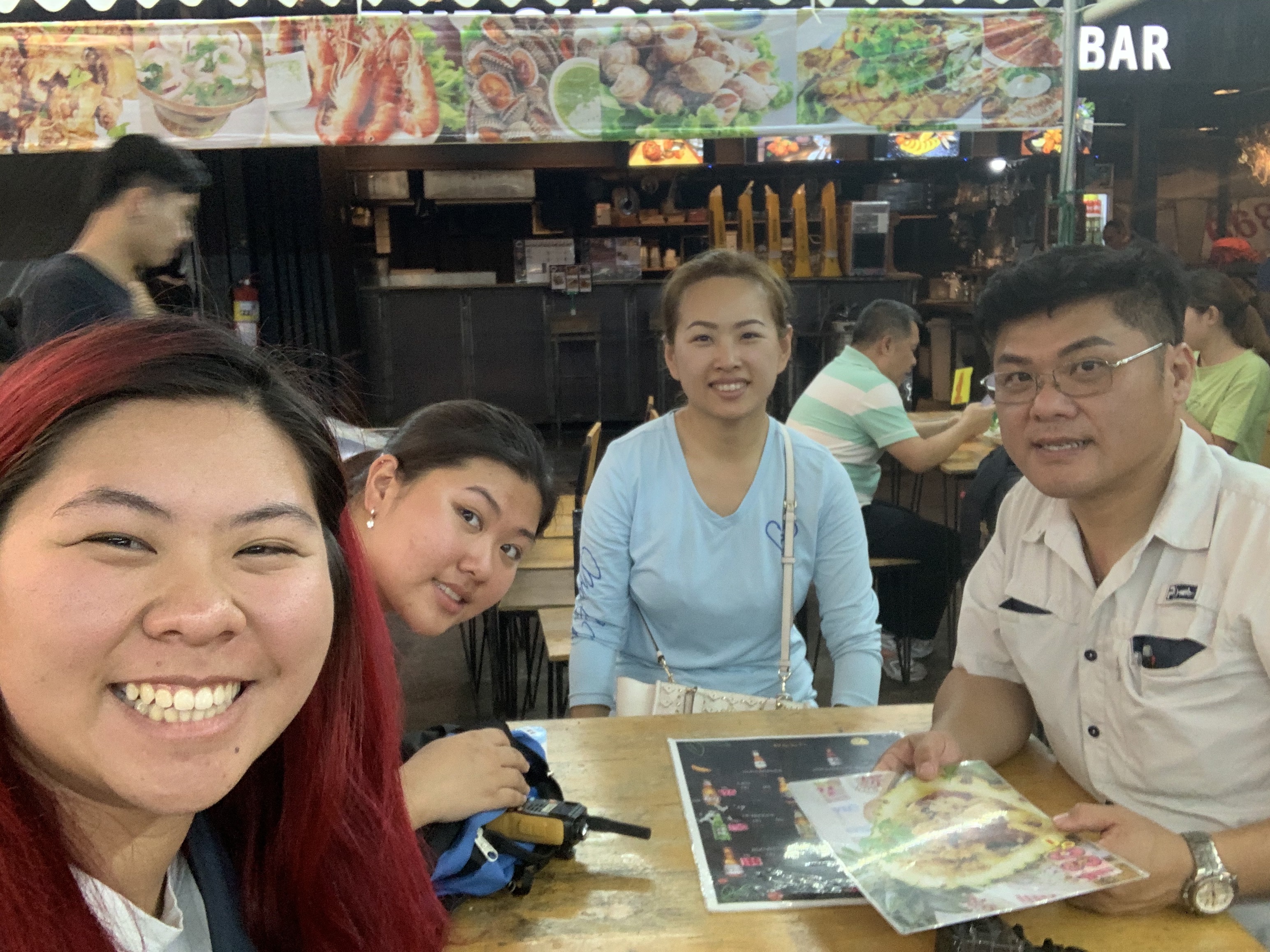
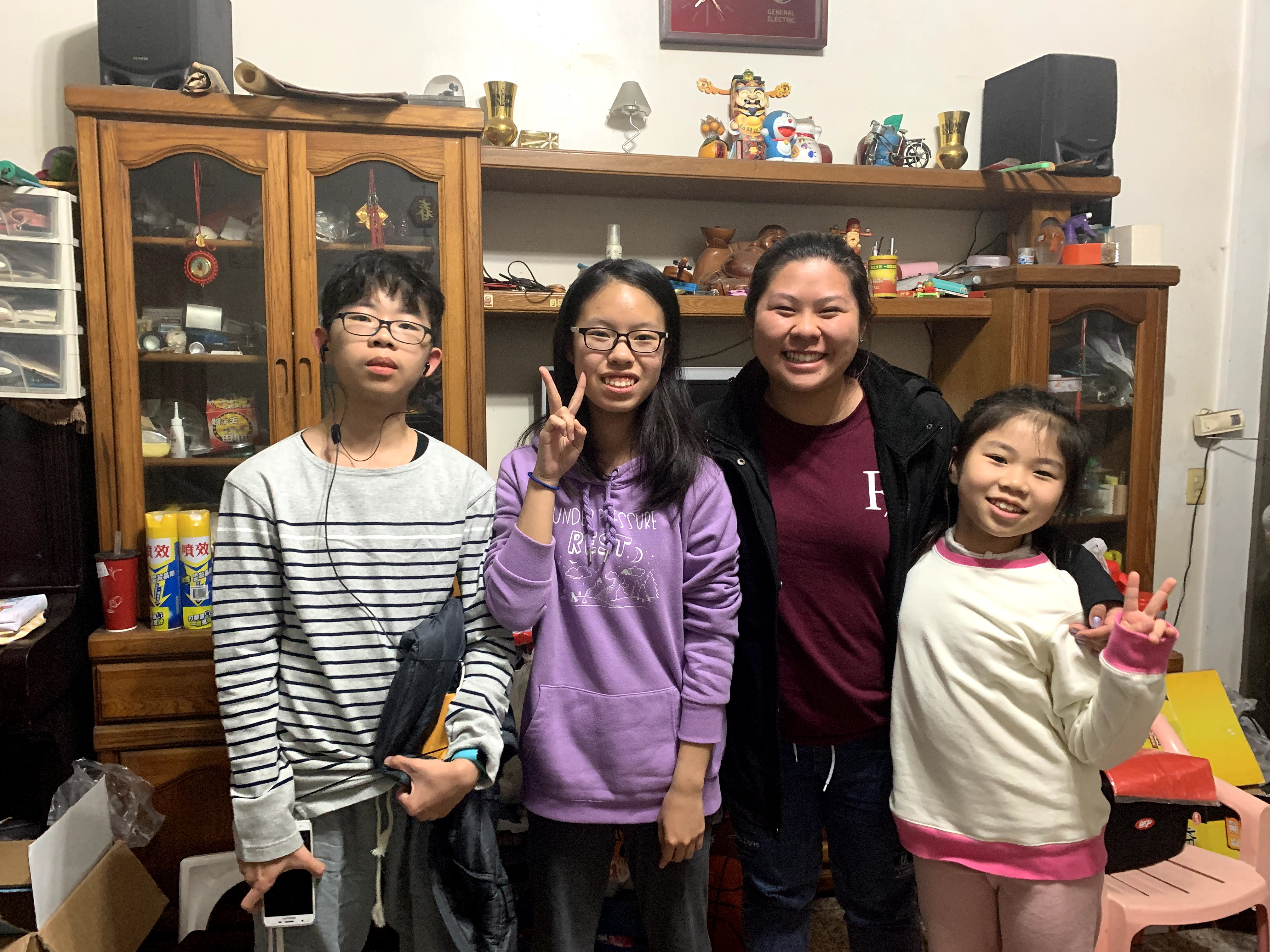
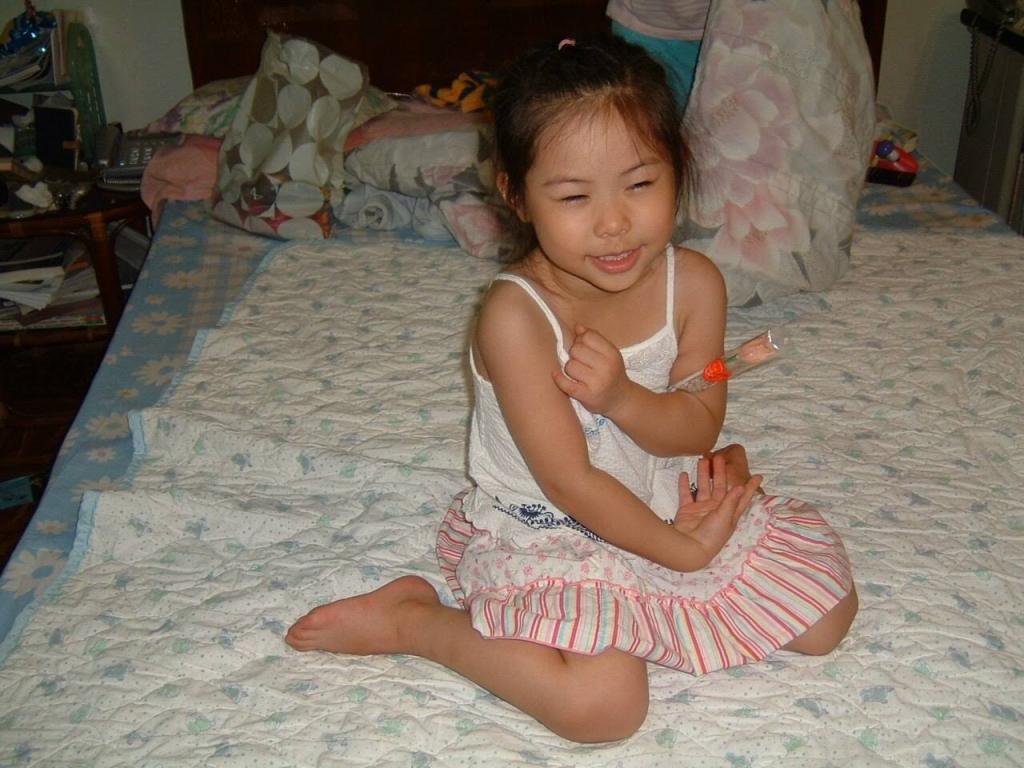
Growing up, I spent time in Taiwan

Looking back now, I see that being Taiwanese changed the way I interacted with my peers. Being Taiwanese made me stronger when I got picked on for having “weird” food and staying things funny. I used to get so frustrated as a child that I tried to change the way I spoke and the snacks I ate. I remember trying to convince other kids that I ate meatloaf for dinner all the time thinking that it would make me appear as a normal American child.

As I got older, I realized that my difficulties trying to be both Taiwanese and American shaped my perception of the world. Right now I understand that my Taiwanese heritage impacted my interactions growing up and shaped the way I understood my peers and experiences. The shame and misunderstanding I faced growing up only made me learn to value my heritage more. No longer ashamed of where I come from, I stand proud understanding the world as a Taiwanese woman.

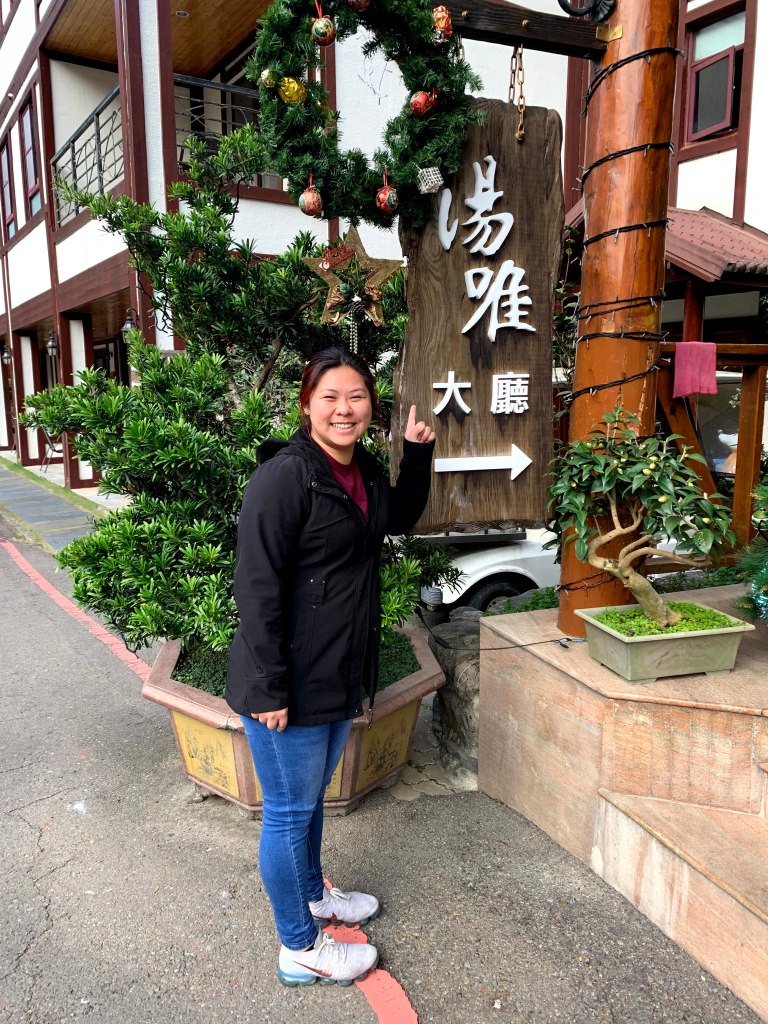
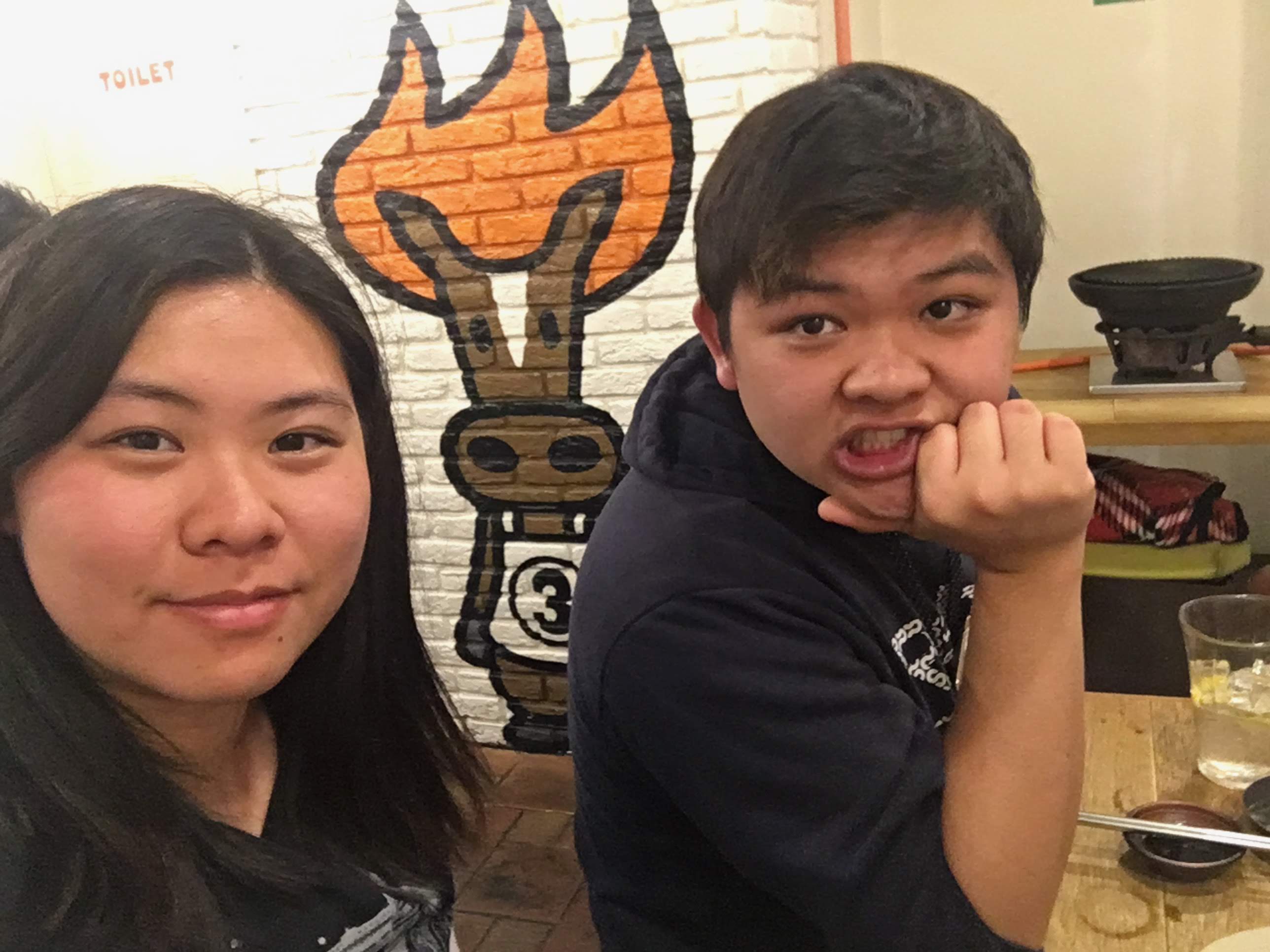
i don’t know where this is but it kinda sucked.

Being Taiwanese has shaped me. As I try to “represent reality” with language, I find myself crossing between languages and cultures.

Looking Out – Terministic screens

“We see the world, not as it is, but as we are──or, as we are conditioned to see it”

Stephen R Covey

Many things shape who we are, what we believe, how we act. From birth we observe. As an infant, the feelings we have are just our feelings. It is as we grow that those feelings give meaning to words. That feeling when you are happy is now happiness. That pain you feel is now sadness. As we live and learn and grow, it is our experiences that define the language we use.

Kenneth Burke coined the term Terministic Screen to encapsulate such language . Published writer Mike Allens defines it as such:

“Terministic screens consist of the words we use to represent reality, and as selections from among many conceptual vocabularies, they can lead to different conclusions as to what reality actually is.”

As we experience life and give meanings to words, we construct the “screen” which we use to define the world.

One word in my terministic screen is family. I choose the word family because for me family encapsulates so much.

I have always had a large family. My paternal grandmother was one of 9, and she had 5 children. My entire life, I have been surrounded constantly. My father is the only son in the family. My father showed me that family is the strongest bond in life. Whenever my aunties had a problem, my father was there to help. My father always told me no matter what happened between my siblings or cousins that we would always be family. I was raised to do anything for family. As result, my family means everything to me.

My maternal grandmother also came from a family of many children. When my grandmother fell ill, family members that I had never met before gathered to see her. My family has an unofficial motto:

“我們一家人”

This phrase translated means to we are one family. My grandfather explained its meaning to me as family is family no matter how strained the relationship. In times of need, family is who I turn to for help.

Coming from two loving families, I have always seen the world with family as my priority. When I observe the world I analyze with the thought of family in mind.

Another word in my terministic screen is Taiwanese.

Between me and my siblings, I was the only one born in Taiwan.I am an American citizen, but I was born out of the country. This fact crushed my dream of becoming the first female president. Growing up asian in predominantly white area taught me to value Taiwanese culture. Many people are unaware that Taiwan is not China. Between the two countries, there is a divide and each consider the other separate. From birth I was taught Mandarin. Going to school, I learned English in terms of Mandarin. Apple was 蘋果. Dog was . This fact made me different from my peers.

Then more began to be different. The food I ate, the way I pronounced words, the games I played — everything was so different from the other kids. As a young child, I did not understand why.

Growing up, I spent time in Taiwan

Looking back now, I see that being Taiwanese changed the way I interacted with my peers. Being Taiwanese made me stronger when I got picked on for having “weird” food and staying things funny. I used to get so frustrated as a child that I tried to change the way I spoke and the snacks I ate. I remember trying to convince other kids that I ate meatloaf for dinner all the time thinking that it would make me appear as a normal American child.

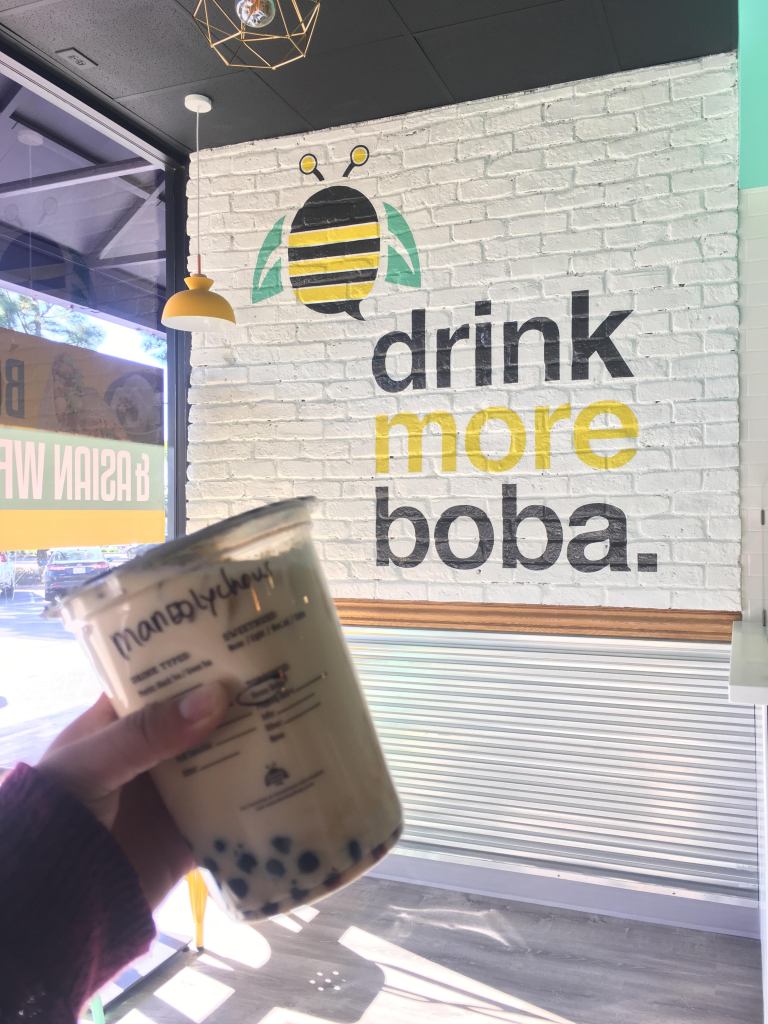
As I got older, I realized that being Taiwanese is special. Being able to speak a second language was useful. Now, boba is popular and Taiwanese street food is delicious.

i don’t know where this is but it kinda sucked.

Being Taiwanese has shaped me. As I try to “represent reality” with language, I find myself crossing between languages and cultures.

So Here I Am..

It’s getting serious now….

2/6/2020

A little nervous. A little excited. A little out in the open.

Writing is the greatest fear I have. It’s irrational but the paranoia kicked in years ago. So, I am now attempting to lay it all out.

For most of my life, I was a homebody. Unadventurous. Boring. Stagnant. Leaving my home and stepping out isn’t the issue. It isn’t the fact of me physically stepping out from the boundaries of my house. I do that everyday.

It’s the fact that new experiences change my life and change my goals and change my perspective. What if I see and experience something that changes what I know — ME.

This was also irrational. People change. The world changes. I will change. This isn’t new news to me but I hated change. I liked being comfortable . I liked knowing exactly what I’ll think today and tomorrow and always.

BUT DANG DO I LOVE TO SEE THE WORLD.

Adventures beyond my doors are so interesting. It’s an addiction. I must see it all. I have to meet the people. I gotta eat all the food.

Thailand, Taiwan, Denmark– each so rich in culture. I am so grateful that in my life I am able to travel and see the world. I want to share my experiences with the world. I hope it can be accomplished through my writing.

In the next couple of months, I hope to learn the perspectives in which other people see the world. By learning about the impact of society on travel, I wonder if my own adventures will evolve. I also hope to improve my writing skills and gain confidence in what I produce.

I am not confident in my writing. Like I stated at the top, writing is my greatest fear. So I hope I can defeat it.

Over last decade, I have determined a major reason of my lack of confidence. I think growing up with English as my second language made me feel like I was constantly behind my peers. I was born In Taiwan and shorty after my birth, I was brought to the United States. Despite growing up in the United States, my exposure to English was extremely limited. Going to preschool I faced difficulty communicating with other kids. I spoke Chinese at home and knew no English. Going through elementary school, learning English was so difficult that I feared writing. I didn’t trust my skills and never thought my English was adequate enough to write something good. Even making it through high school, I still doubt my abilities. My goal for the near future is to become more comfortable with writing and sharing my thoughts through words.

I look forward to improving my writing 🙂

Design a site like this with WordPress.com
Get started